

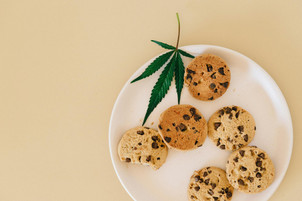
You smoke cannabis when you want a faster and shorter hit, but you eat it when you want a longer, more intense trip. That's the basic difference between choosing smoking vs edibles. But intent alone won’t decide your experience. There is a significant waiting period before edibles take effect, and if you eat the wrong foods as you wait, the results can be extreme.
It usually looks like this — initial diminished effects, over-dosing, and greening out. Whether you are using edibles for the first time or are new to cannabis products altogether, it's important to make informed choices. To avoid unpleasant experiences, you must learn how to make edibles hit harder by figuring out which foods to avoid with edibles.
Quick Answer
What you eat before and after taking an edible directly affects how strong it feels, how fast it hits, and how long it lasts. The biggest foods to avoid are excessive fats, alcohol, and high-fiber meals — all three can either blunt your edible or cause unpredictable effects.
Flip side: some foods may enhance the experience, though the evidence is more anecdotal than scientific. Mango and other foods rich in the terpene myrcene have a long-running reputation in cannabis culture for making edibles feel stronger, but no rigorous human study has confirmed it.
1. Too Much Fat
Fats are tricky when it comes to THC absorption in the body. If you eat the right amount of fatty foods with your edibles, it will increase the effect of the THC consumed. But excessive fat-high foods will reduce THC absorption. This means the more fat you eat, the less hard your edibles will hit. A low-dose edible paired with a small fatty snack is the easiest way to predict how it'll affect you.
The science works like this: cannabinoids like CBD and THC are fat-soluble and require a lipid medium called mixed micelles to be absorbed in the body. Limited fats help produce mixed micelles. But too much fat engages the bile salts and phospholipids, which are responsible for assembling the mixed micelles. As these precious resources are used up to process the fat, mixed micelles stop forming. Thus, THC absorption is impacted.
2. Any Amount of Alcohol
Alcohol is one of the top foods to avoid with edibles. When you drink in tandem with eating edibles, the effects of both the alcohol and the cannabinoids are heightened. This means you’ll feel more intoxicated than you bargained for. Needless to say, the crossfading or the combined effects of dizziness, impaired judgment, anxiety, and nausea can be dangerous.
The reason is simple. Both alcohol and THC affect the central nervous system. Alcohol increases the peak THC levels in your blood. So when you take them together, the alcoholic beverage makes the edible hit harder than usual. And since it takes longer for an edible to take effect, you can easily drink more alcohol while waiting. Finally, when both substances take effect, you will over-dose or green out.
3. Foods High in Fiber Content
While different types of THC edibles have varied effects and potency, knowing what you can expect from your edible decides your dosing pattern. For instance, if you know an edible takes two hours to work and produces sedative effects, you will take it two hours before bed. But high-fiber foods can ruin all your plans. They interfere with cannabinoid absorption and alter the onset time and effect duration.
Cannabis slows down the speed at which food moves through your digestive tract. High-fiber foods do the same. Fiber doesn’t let the digested food components release into the bloodstream by forming a gel-like material. So any cannabis you consume via edibles will release very slowly and over a long time. This means your edibles won’t hit as hard, but their effect will last longer. If you want a predictable experience, it's best not to eat fatty and fibrous foods with edibles.
4. Grapefruit
Grapefruit can intensify your experience. Cannabis edibles, when combined with grapefruit, create longer and stronger effects than expected from the edible alone. This means you can experience the impact of potent THC products while actually consuming a milder edible.
It all starts with the cytochrome P450 3A4 enzyme system. These enzymes break down foreign substances that enter the body, including medications and cannabinoids. The CYP3A4 enzyme, in particular, limits how much of the drug actually enters the bloodstream. Grapefruit messes with this process and makes edibles hit harder. It inhibits the P450 3A4 enzyme system, which means more cannabinoids are available for uptake. This applies to grapefruit juice as well — and in some cases, the juice has an even stronger effect than the whole fruit.
Foods That Make Edibles Hit Harder
Knowing what to avoid is only half the picture. The other half is knowing which foods may actually enhance your edible — and this is where cannabis culture and science diverge. The research is thin compared to the food-interaction work above, but the patterns are consistent enough that experienced users swear by them. Treat this section as well-tested folk knowledge rather than confirmed pharmacology.
1. Mango
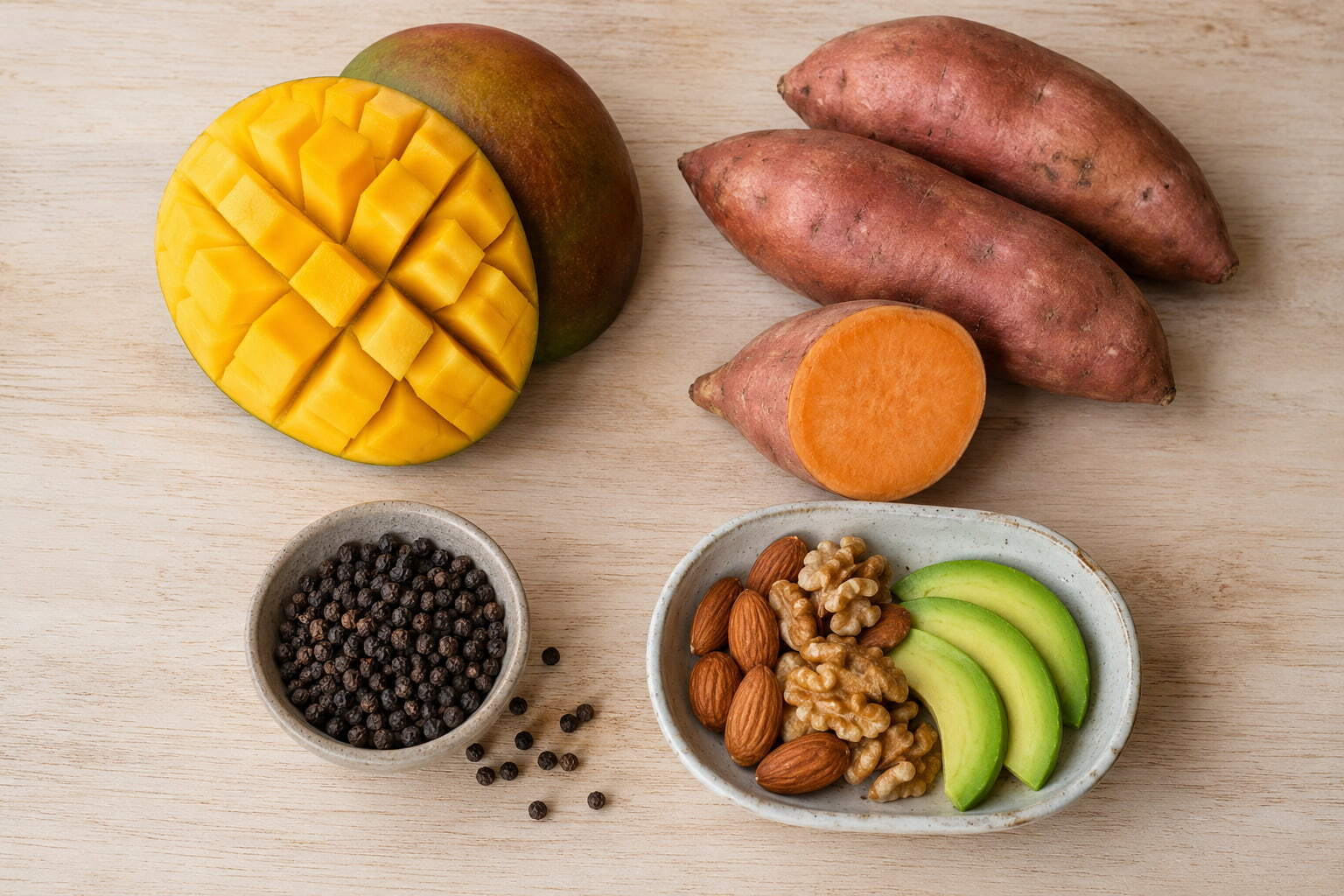
The most famous edible-enhancing food. Mango contains myrcene, a terpene also found in cannabis itself. The theory is that myrcene increases the permeability of cell membranes — including the blood-brain barrier — letting more cannabinoids reach your endocannabinoid receptors. A 1997 study suggested terpene synergy could meaningfully amplify cannabinoid effects, but no rigorous human trial has confirmed that eating mango before cannabis produces a noticeably stronger high.
That said, plenty of experienced users report a real difference. If you want to try it, eat a ripe mango about 45-60 minutes before consuming your edible — the idea being that myrcene needs some time to enter your bloodstream. Whether this produces a noticeable effect varies person to person.
2. Sweet Potatoes and Other Myrcene-Rich Foods
Mango isn't the only food with myrcene. Sweet potatoes, lemongrass, thyme, basil, and hops all contain meaningful amounts of the same terpene. If mangoes aren't your thing or aren't in season, these foods may produce a similar effect — though again, the evidence here is anecdotal rather than scientific.
The general rule: foods that smell aromatic and "earthy" or "herbal" often have higher terpene content. None of these are silver bullets, but eating a meal that incorporates herbs like thyme and basil 30-60 minutes before an edible may slightly enhance the experience.
3. Black Pepper
Counterintuitive but well-supported in cannabis culture: black pepper contains beta-caryophyllene, a terpene that interacts directly with CB2 receptors in your endocannabinoid system. Some users find that black pepper helps "ground" them if they've taken too much THC, reducing anxiety-related side effects.
The practical advice from longtime users: keep a pepper grinder nearby if you're trying a higher-dose high-potency edible. Chewing on a few peppercorns or smelling fresh-ground pepper has reportedly helped people who feel overwhelmed by the intensity of strong gummies.
4. Moderate Healthy Fats
Back to the fat question from earlier — but framed positively. Moderate amounts of healthy fats (avocado, nuts, olive oil) actually enhance THC absorption. Too much fat shuts down absorption; the right amount amplifies it.
Aim for a small handful of nuts, a few slices of avocado, or a meal cooked with olive oil about 30-45 minutes before your edible. You'll likely feel a stronger, longer-lasting effect than taking your edible on an empty stomach or after a high-fat meal.
Timing Tips for Best Results
If you're going to experiment with enhancement foods, a few practical tips:
- Eat enhancement foods 30-60 minutes before your edible. Terpenes and fats need time to enter your bloodstream before the THC hits.
- Don't overload. A whole mango is fine. Eating three mangoes plus a high-fat meal might actually slow your edible down rather than enhance it.
- Start with your normal dose. If enhancement foods do amplify your high, your usual low-dose gummy will feel stronger than expected. Don't stack a high dose with enhancement foods if you're new to this.
- Hydrate. Most edible regrets come from dehydration as much as from overdoing the dose. Drink water throughout the experience regardless of what else you eat.
Keep it Balanced
The cannabis-food interactions within the body are highly complex and sensitive to outside factors like food habits. So you have to be mindful of which foods to avoid with edibles. Even if you are using the best form of THC for edibles, you can experience adverse effects if you pair it with one too many slices of pizza or glasses of alcohol.
Be wise with your meals. Always choose a balanced diet that includes plenty of proteins, the right amount of fiber, and healthy fats. This is not only good for your general well-being; it also ensures your experience with cannabis edibles is as enjoyable as expected. No more, no less!
Frequently Asked Questions
Does eating a mango really get you higher? +
The popular claim is yes — mango contains myrcene, a terpene that may amplify cannabinoid effects. But this is largely anecdotal: no rigorous human study has confirmed the effect. Many users report a real difference when they eat a ripe mango 45-60 minutes before consuming cannabis, but the response varies significantly from person to person.
Should I take edibles on an empty stomach? +
Generally no — but it depends on what you're going for. Empty-stomach edibles tend to kick in faster but produce shorter, more intense effects. Most users prefer eating a small, moderate-fat snack 30-45 minutes beforehand to get a smoother onset and longer duration. Empty-stomach use also increases the chance of nausea.
Will eating after taking an edible make it less effective? +
A large meal eaten after taking an edible can slow the onset by 1-2 hours but typically doesn't reduce overall intensity. The cannabinoids are still absorbed — they just take longer to work through your digestive system. Small snacks won't significantly change anything.
Will cheese make edibles stronger? +
A small amount of cheese (high in healthy fats) before an edible may slightly enhance absorption. But excessive cheese consumption — like a whole plate of cheesy nachos — falls into the "too much fat" category and can actually reduce THC uptake. Moderate quantities are fine; overdoing it isn't.
Can grapefruit really make edibles stronger? +
Yes — and this one has solid science behind it. Grapefruit inhibits the CYP3A4 enzyme system in your liver, which is what breaks down many compounds including THC. With less CYP3A4 activity, more THC reaches your bloodstream. Grapefruit juice can have an even stronger effect than the whole fruit. If you're taking high-potency products, grapefruit can amplify them unpredictably — generally something to avoid rather than seek out.
What's the best food to eat with edibles? +
Moderate, balanced meals with healthy fats. Think a small handful of nuts, a slice of avocado toast, or a meal with olive oil — eaten 30-45 minutes before your edible. Avoid heavy fatty meals (fries, deep-fried food, large amounts of cheese) and excessive fiber (large salads, bran-based foods) immediately before or after.
Does eating after an edible help if I took too much? +
A heavy meal can slow the onset, which sometimes helps when you've taken too much and want effects to come in more gradually. But once an edible has kicked in, eating won't undo the dose — you'll just have to ride it out. CBD products and black pepper have stronger anecdotal support for reducing acute over-intoxication than food alone.
Do THCa gummies interact with food the same way as Delta-9? +
Mostly yes, with one nuance. THCa gummies require conversion in your body to become active Delta-9 — meaning food interactions affect both the conversion process and the absorption. The same advice applies (avoid heavy fats and alcohol, time with care), but onset can be 30-60 minutes longer than a standard Delta-9 gummy.
Is it safe to mix edibles with caffeine? +
Caffeine doesn't directly interfere with THC absorption, but combining stimulants with cannabis can amplify anxiety in some users. If you're sensitive to caffeine, expect the caffeine effects to feel more pronounced when paired with an edible. Most experienced users find moderate amounts (one coffee, one tea) work fine; energy drinks plus high-potency edibles is the combination that more often produces uncomfortable experiences.